
Lotus West Properties in Koreatown
Lotus West Properties is a trusted Koreatown property management company for multifamily apartment buildings. With over 25 years of experience, we understand what makes K-Town one of LA's most active rental markets — extraordinary density, strong tenant demand, value-add potential, and the LA Rent Stabilization Ordinance that governs much of its building stock. We help owners maximize returns in one of the most dynamic, centrally located neighborhoods in Los Angeles.
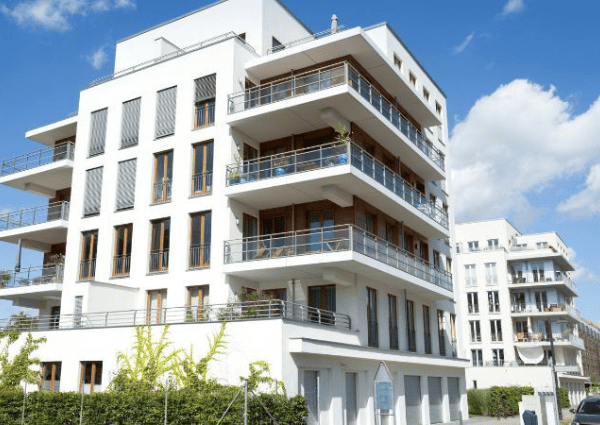
Top Multifamily Property Managers
Koreatown is one of the largest and densest apartment submarkets in all of Los Angeles — a vibrant, 24/7 neighborhood at the geographic heart of the city. Its combination of high renter demand, relative affordability, and value-add potential makes it a magnet for multifamily investors. Managing property here requires understanding both the LA RSO that covers much of the older building stock and the competitive dynamics of a market seeing significant new development.
We focus on maximizing your Koreatown property's revenue by maintaining strong occupancy with quality tenants, ensuring full compliance with the LA RSO and LAHD registration requirements, and reducing operating costs through our experienced in-house repair team. Across all our locations, we currently manage over 1,500 units, with significant experience in dense urban markets like Koreatown.
We also manage multifamily properties in nearby Hollywood and West Hollywood, as part of our broader Los Angeles property management coverage.
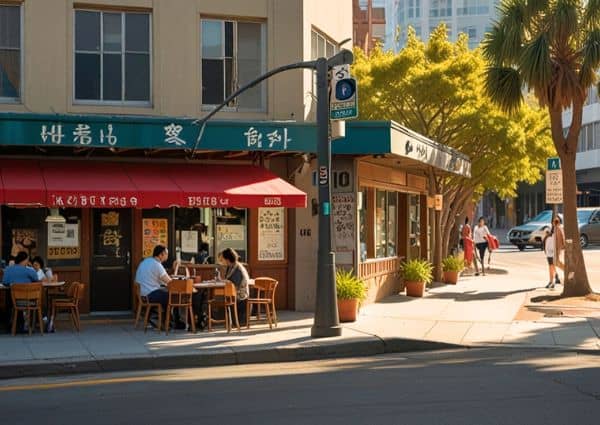
Client-Focused Management
Koreatown property owners need a manager who understands both sides of this market — the LA RSO compliance that governs older buildings, and the competitive positioning needed in a neighborhood absorbing significant new supply. Well-managed, well-maintained Koreatown properties attract and retain tenants even as new buildings compete for renters. We bring that expertise, transparent reporting, and direct communication to every Koreatown property we manage — no call centers, no runaround.
Koreatown is one of the most rental-driven and centrally located neighborhoods in Los Angeles, offering tenants relative affordability compared to nearby submarkets. Its dense mix of housing, 24/7 culture, and Metro access keeps demand consistently strong.
If you own an income property of any size, and are looking for someone to take care of your building as if it was their own, please contact us to discuss your needs.
Pros and Cons of Living in Koreatown
- Exceptional Rental Demand: Koreatown's extreme density and relative affordability make it one of LA's most consistently in-demand rental markets.
- Value-Add Opportunity: Many Koreatown buildings have below-market rents, and renovated units can command significant premiums — making it a favorite for value-add investors.
- Central Location and Transit: Located at the heart of LA with Metro D (Purple) and B (Red) Line access, Koreatown offers tenants unmatched connectivity.
- Relative Affordability Draws Tenants: With rents below the metro average, Koreatown attracts renters priced out of pricier neighborhoods, supporting steady demand.
- Active Investment Market: Koreatown remains one of LA's most active multifamily trading markets, with strong liquidity and investor interest.
- LA Rent Stabilization Ordinance (RSO): Much of Koreatown's older building stock falls under the LA RSO, requiring LAHD registration, regulated rent increases, and just-cause eviction procedures.
- New Supply Competition: Significant new Class A construction has increased competition and pushed vacancy higher in some periods — making professional management and positioning essential.
- Parking Challenges: Koreatown's density means parking is limited, a real consideration for tenants and property planning.
- Older Building Maintenance: Much of the multifamily stock is older, requiring proactive maintenance and, often, value-add renovation.
- Variable Sub-Markets: Koreatown spans from the Wilshire corridor to Arlington Heights and Harvard Heights, each with different dynamics.
Introduction to Koreatown, California
Koreatown — affectionately known as "K-Town" — is one of the densest, most vibrant, and most centrally located neighborhoods in Los Angeles. Famous for its 24/7 culture, world-class Korean BBQ, nightlife, and historic Art Deco architecture along Wilshire Boulevard, Koreatown is also one of the city's largest apartment submarkets, with an overwhelmingly renter population. As part of the City of LA, its older multifamily buildings fall under the LA RSO. For property owners, Koreatown offers exceptional rental demand, relative affordability that draws tenants, and strong value-add potential — balanced against new-supply competition and the regulatory requirements of a dense urban market. Expert local management helps owners capture the opportunity while staying compliant.
Top Attractions and Amenities in Koreatown
Koreatown's renowned dining, nightlife, and culture are central to its strong rental demand:
Best Restaurants:
- Park's BBQ: One of LA's most acclaimed Korean BBQ restaurants.
- Quarters Korean BBQ: A popular spot known for its quality cuts and lively atmosphere.
- The Prince: A historic, atmospheric restaurant and bar, a Koreatown landmark.
- Here's Looking at You: A celebrated modern restaurant with inventive cuisine.
- Cassell's Hamburgers: A classic LA burger institution in the heart of K-Town.
Notable Parks:
- Seoul International Park: A community park with sports facilities, a pool, and green space.
- Lafayette Park: A historic park offering recreational facilities and open space.
- Robert F. Kennedy Community Schools green space: Public open space on the site of the former Ambassador Hotel.
Points of Interest:
- The Wiltern Theatre: A stunning Art Deco landmark and renowned live music venue.
- Wilshire Boulevard: The historic corridor lined with Art Deco buildings and the spine of Koreatown.
- Koreatown Plaza & Galleria: Major shopping and dining destinations at the center of the community.
- The Line Hotel: A trendy hotel anchoring Koreatown's modern dining and nightlife scene.
Most Desirable Neighborhoods for Residents
Koreatown spans several areas, each with its own character and rental profile:
- Wilshire Center: The historic corridor along Wilshire Boulevard, featuring Art Deco buildings, newer high-rises, and strong rental demand.
- Central Koreatown: The dense core around Western and Vermont Avenues, packed with apartments, dining, and nightlife.
- Arlington Heights: A southern pocket with historic homes and multifamily properties, offering relative value.
- Harvard Heights: A historic-preservation overlay area to the south, known for its older architecture and rental housing.
- The Vermont/Wilshire Corridor: A transit-rich area near Metro stations, attractive for density and connectivity.
Essential Information for Potential New Residents or Property Owners
For property owners and investors considering Koreatown multifamily:
- LA Rent Stabilization Ordinance (RSO): Much of Koreatown's older apartment stock falls under the LA RSO, requiring LAHD registration, regulated rent increases, and just-cause eviction procedures. We handle full compliance.
- Value-Add Potential: Many Koreatown buildings carry below-market rents, and renovated units can command premiums of $200–$500/month over unrenovated comparables — a key opportunity for investors.
- New Supply Awareness: Significant Class A construction means owners must position and maintain their properties competitively to attract and retain tenants.
- Strong Demand and Liquidity: Koreatown's density and central location sustain strong tenant demand and make it one of LA's most active investment markets.
- Transit and Walkability: Metro D and B Line access and high walkability are major selling points for Koreatown tenants.

A Concise History of Koreatown
Koreatown's history began in the early 1900s, when the area was an affluent district of grand homes and hotels along Wilshire Boulevard — including the famous Ambassador Hotel, home of the Cocoanut Grove nightclub. The neighborhood's elegant Art Deco architecture, much of which survives today, dates to this era.
Beginning in the 1960s and 1970s, an influx of Korean immigrants seeking business and housing opportunities transformed the area. Korean entrepreneurs opened restaurants, markets, and businesses, and the neighborhood grew rapidly into the cultural and commercial heart of LA's Korean American community — earning the name Koreatown.
Today, Koreatown is one of the densest, most diverse, and most dynamic neighborhoods in Los Angeles — a 24/7 hub of dining, nightlife, and culture, with a growing international population of longtime residents and young professionals. Its combination of central location, relative affordability, and strong rental demand has made it one of the city's most active and closely watched multifamily markets.
What Our Clients Say About Us
Trusted by property owners across Los Angeles — read what our clients say →
Get Your Free Rental Analysis
Tell us about your property and we will respond within one business day.
★ 4.8 Google rating · ✓ No long-term contracts — cancel anytime · ✓ AAGLA award-winning management
Looking for a home instead? Browse our available rentals.
Proud Members of


FAQs
Own Rental Property?
Subscribe to Earn More & Stress Less
Get LA rent law updates, market insights, and property management tips delivered to your inbox.